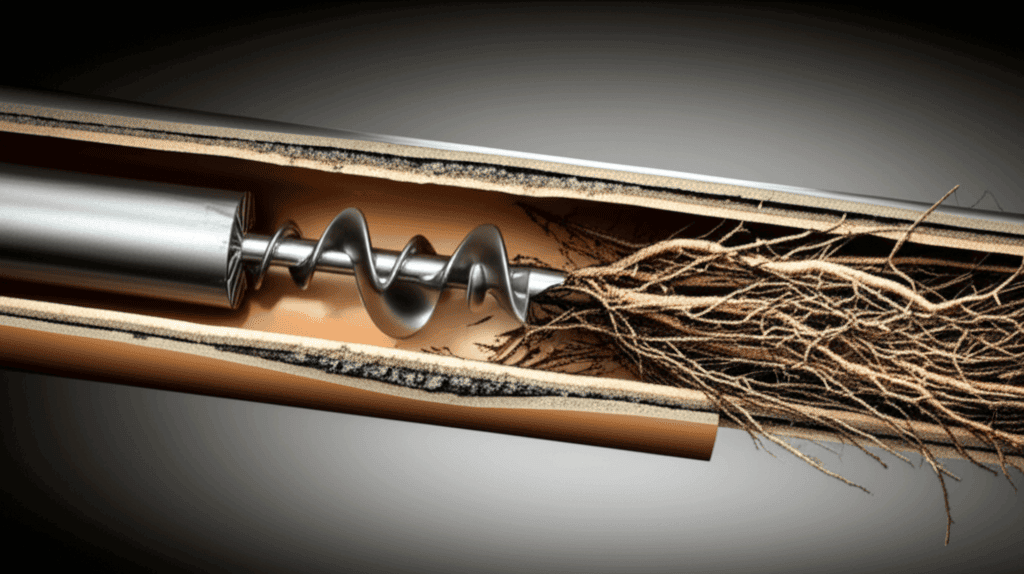
Tree roots and drain pipes have gone head-to-head for years without most people knowing. When roots find a tiny crack or gap in underground pipes, they sneak in and grow, pushing the crack to get bigger as they dig deeper. This hidden attack leads to slow drains, sudden backups, gross smells around the house, and sometimes pipes break completely, needing a big and costly fix. People with trees close to their pipes should watch out because ignoring this battle can cause serious, expensive headaches. Spotting the early signs can save a lot of money and keep your pipes running like a charm, which is why paying attention here makes a big difference.
Removing roots from drain lines is a task that needs the right tools and the right plan. Homeowners can take steps to slow the problem and handle minor blockages. For deeper intrusions and structural damage a professional evaluation will reveal the best path to a lasting repair. This article explains why roots invade drain lines, how to spot them early, inspection and removal methods, prevention options, and when a trained crew should take over.
Why tree roots invade drain lines and how they enter pipes
Roots head toward water and nutrients. Older sewer and drain systems often have joints that leak or small breaks that emit moisture into surrounding soil. That moisture creates a path that roots follow. Roots are strong and persistent. Even a hairline crack in clay tile or small gaps in older cast iron joints can invite root growth within a single season.
Root intrusion happens more often in the following situations
- Older pipe materials like clay tile or cast iron with loose joints
- Shallow sewer lines close to surface tree roots
- Large trees planted near lateral lines from the house
- Soil that holds moisture near the pipe for long periods
Common signs that roots have invaded your drain lines
Early detection saves money. Here are signs to watch for
- Slow draining sinks, tubs, or toilets across the home
- Gurgling sounds when other fixtures are used
- Repeated clogs in the same fixture
- Wet or soggy patches in the yard above a sewer line
- Foul sewer odor outdoors or near vents
Pay attention to the pattern. Single fixture clogs are often local. Multiple fixtures acting up at once suggest a main drain or sewer line issue that could be caused by roots.
How professionals inspect drain lines
Good inspection pinpoints the problem without guesswork. Several tools help technicians locate root intrusions and evaluate pipe condition.
CCTV camera inspection for clear visuals
A sewer camera rides through the pipe, sending a live image back to the operator. With that footage a technician can see the exact location of root entry, measure the size of a blockage, and judge the pipe material and condition. Camera inspection is a low risk way to decide whether a mechanical cut, hydro jetting, pipe lining, or full replacement is the right option.
Flow tests and locating equipment
For buried lines professionals can run a flow test and use locating gear to map the route of a lateral. That helps determine if roots are concentrated in a single spot or present along a long stretch of pipe. Mapping is useful when excavation might be required for a full repair.
Practical removal techniques and when to use each
There are several reliable removal methods. Choose the one that matches pipe type, root severity, and long term goals for the line.
Mechanical root cutting with a rooter machine
Mechanical cutting uses a rotating head on a flexible cable. The cutter shaves and slices roots away allowing water to flow. This approach works well for localized blockages and is widely available. It removes the mass of roots but does not change the pipe condition that allowed entry. In other words roots will return where pipe joints or cracks remain.
Hydro jetting to flush and clean
High pressure water jetting forces roots and deposits out of the pipe. Jetting is effective for grease and sediment as well as soft root material. It can be gentler on some pipe types when performed by an experienced operator who matches pressure to material. For dense woody roots jetting may need to be combined with cutting tools.
Other options include chemical root treatments that slow regrowth inside the pipe. These kill the small root tips that poke in through joints. Follow up with periodic maintenance or a structural repair to prevent reentry.
Excavation and pipe repair when damage is structural
If roots have broken the pipe or caused long sections of collapse excavation and replacement may be the only long term fix. New materials and proper bedding and sealing reduce the chance of future root attacks. Trenchless repair methods like pipe lining can also restore structural integrity without digging a long trench.
Steps homeowners can take to reduce future root intrusions
Prevention reduces cost and interruption. Consider the following practical steps
- Plant small or slow growing species away from sewer and lateral lines
- Keep large trees at a safe distance when planning landscaping
- Install root barriers where tree roots might reach utility lines
- Schedule routine camera inspections every few years for older systems
- Use mild chemical treatments as part of a planned maintenance schedule if recommended by a technician
- Repair leaking joints promptly to remove the moisture that attracts roots
Root barriers are physical shields that deflect roots downward or sideways. When placed between a tree and a pipe they cut off the path and slow or stop intrusion. These measures work best when combined with knowledge of the local soil and the typical root patterns of common tree species.
Costs, timing, and when to bring in a professional
Costs vary. A simple mechanical cut or hydro jetting job may be modest. A camera inspection adds clarity and is often a cost effective first step. Major repairs involving excavation and replacement are the most expensive. Time of year can matter because frozen ground or wet soil can complicate digging.
Minor blockage removal can be attempted by a homeowner with rented equipment. However large root masses, recurring problems, or evidence of structural damage are situations where a professional offers better outcomes and safer work. A trained crew will read camera footage, choose the right tool, and recommend a repair that reduces the chance of repeat work.
For homeowners in need of expert help local services offer a range of options from root cutting and hydro jetting to trenchless pipe lining and full replacement. One reputable option with local experience is Berkeys root removal service for drains which provides inspection and repair choices matched to the condition of the line. That link leads to more detail on available removal methods and how the process works on residential properties.
Tips for a successful root removal and long term plan
Plan for both the immediate clog and the long term health of your drain system. A good sequence looks like this
- Start with a camera inspection to locate the problem
- Remove the current blockage with the least invasive method that will do the job
- Make repairs to joints or install lining if the pipe is compromised
- Adopt a maintenance schedule with periodic inspections and treatments
- Address landscaping choices to limit future root pressure on lines
Record what was done and when so future technicians can see the history. A small investment in inspection and preventive repairs often avoids a larger bill down the road.
Real world example. A homeowner noticed multiple slow drains and a soft patch in the yard. A camera inspection found a large root mass entering a joint in a clay tile lateral. Technicians used mechanical cutting to clear the obstruction and then installed a cured in place liner to seal the line. Follow up treatments and moving a nearby ash tree two seasons later stopped further intrusion. The total cost was lower than a full replacement and the outcome lasted for many years.
One final tip. If you rent a mechanical root cutting machine be sure you understand the cable limitations and the cutting head options. Using the wrong head can widen an opening or damage a fragile pipe leading to worse problems. When in doubt hire a trained operator who knows how to match tool and pipe condition.
Removing roots from drain lines is a manageable problem when you act early and choose the right approach. Inspections remove guesswork. Mechanical cutting and hydro jetting clear blockages quickly. Structural repairs and changes in landscaping reduce recurrence. If you see signs of root intrusion reach out to a licensed drainage service for a camera inspection and a repair plan that fits your property. Addressing the issue now protects your plumbing and your yard.