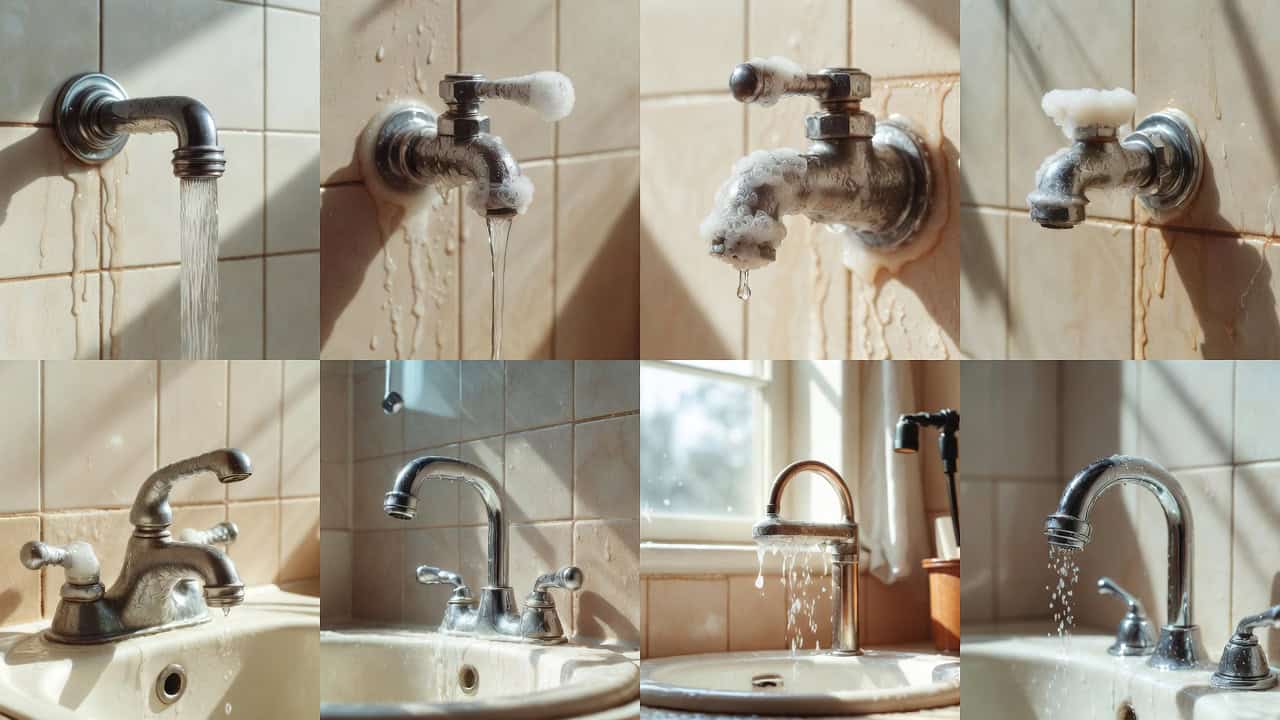
Hard water creeps into homes quietly, starting with a tiny white crust on the faucet or soap that just doesn’t foam like it used to. Over time, these small signs turn into bigger headaches like rising bills, more fixing, and grumpy people dealing with scratchy clothes and itchy skin. This problem hits hardest for anyone wanting easy chores and comfy living. Knowing this can save lots of hassle and cash down the line, so keep reading to find out how to stop hard water from taking over.
This article lays out clear, practical ways to identify signs of hard water issues. You will find visible clues, effects on appliances and pipes, simple at home tests, and sensible steps to limit damage. Read through the signs and tips so you can make informed choices about treatment and maintenance.
Signs of Hard Water Issues on Fixtures and Surfaces
One of the easiest places to spot hard water is where water evaporates and leaves minerals behind. Look for these indicators on taps, showerheads, sinks, and glass surfaces.
- White or chalky buildup around faucets and drain openings. This is mineral scale made mainly of calcium and magnesium.
- Cloudy or spotted glassware after washing by hand or in a dishwasher. The spots are mineral deposits that do not rinse away easily.
- Reduced faucet flow when aerators or showerheads get partially blocked by mineral deposits.
- Stiff residue on tiles and grout that scrubbing with ordinary cleaners does not fully remove.
These signs are common and often worsen gradually. Regular visual checks of faucets and drains can help you catch scaling before it leads to harder problems.
How Hard Water Affects Appliances and Plumbing Lifespan
Mineral buildup in pipes and appliances may not be dramatic at first, yet it changes how equipment performs and ages. Recognizing those changes early can save money in repairs and replacement costs.
- Shorter heater life as scale insulates heating elements and forces water heaters to work harder.
- Lower efficiency of water using appliances because scale reduces heat transfer and clogs valves and spray arms.
- Slow draining in tubs and sinks when mineral scale accumulates inside pipes.
Water heater impacts
Scale builds up on heating elements and on the bottom of tank type heaters. That makes the unit use more energy to reach set temperatures and can cause hot spots that shorten the element life. If you notice temperature swings or higher energy bills without other explanation, hard water may be a factor.
Washing machine and dishwasher effects
Stiff laundry, faded colors, and detergent residue on clothes are common. Dishwashers may leave cloudy dishes or require extra rinse cycles. Over time seals and valves can fail sooner when minerals accumulate inside moving parts.
Skin and Hair Clues That Indicate Hard Water
Personal care reactions are often the first sign homeowners spot. Because minerals change how soap and shampoo react, they can have noticeable effects on daily routines.
- Dry, itchy skin after showering even when the water feels warm and pleasant.
- Hair that feels dull or rough and looks lifeless despite conditioner and regular cuts.
- Soap scum that forms on shower walls or remains on skin after rinsing.
These signs may be more noticeable in children and people with sensitive skin. If changing soaps or lotions does not help, the water itself should be checked.
Taste Smell and Drinking Water Considerations
Minerals in hard water can alter taste. While hard water is not typically toxic, a metallic or mineral taste may be unpleasant and lead people to buy bottled water.
- Mineral taste like iron or metallic notes depending on local geology.
- Cloudiness or sediment in standing water due to suspended mineral particles.
If taste is a concern, a simple tasting comparison between filtered and unfiltered water can highlight differences. For specific safety worries, a professional water analysis will show whether contaminants beyond typical hardness are present.
Simple Home Tests to Confirm Hard Water
Before spending on equipment, try a few low cost tests that give a quick indication of hardness level.
- Soap test Fill a clear bottle with a cup of tap water, add a few drops of liquid soap, cap and shake. Hard water will form little suds and leave the water cloudy. Soft water creates lots of suds and clear water below the foam.
- Check streaking and spotting on glassware and fixtures after hand washing.
- Use test strips available online or at hardware stores that measure grains per gallon or parts per million for calcium and magnesium.
These tests help you decide whether to upgrade to a more detailed lab test or consider treatment options. For sample collection and professional testing it helps to know the likely issues and what you want the test to find.
When to Consult a Professional and What to Expect
A professional can measure exact hardness, inspect plumbing for scale, and recommend systems based on your household size and budget. If you prefer quick local guidance on symptoms and remedies consult a qualified plumbing company.
For homeowners near Orlando the link below leads to a page that explains common symptoms and treatment choices and can guide decisions about service calls https://www.brightwaterplumbingorlando.com/
Practical Fixes and Maintenance Tips to Reduce Hard Water Damage
Treatment choices vary from point of use filters to whole house softeners. Each option has trade offs in cost, maintenance needs, and results. Here are practical actions to consider.
- Water softeners that use ion exchange remove hardness minerals and are effective for whole home use. They require salt and periodic regeneration cycles.
- Salt free conditioners that change the way minerals crystallize so they are less likely to stick. These are lower maintenance but do not remove hardness.
- Descaling and flushing of appliances and plumbing with vinegar based cleaners or commercial descalers to remove existing buildup.
- Point of use filters for drinking water and shower filters that reduce scale contact for skin and hair.
Maintenance tips include cleaning faucet aerators and showerheads every few months, checking appliances for scale buildup twice a year, and scheduling water heater flushes to clear sediment that can trap minerals.
Cost Considerations and Long Term Savings from Treating Hard Water
Treating hard water has upfront costs but can prevent frequent repairs and reduce energy costs. A rough breakdown helps set expectations.
- Initial system cost varies depending on capacity and technology, with whole home softeners typically costing more than point of use units.
- Operating costs include salt and occasional maintenance for ion exchange systems and replacement cartridges for filters.
- Service savings occur through fewer clogged pipes, longer appliance life, and improved efficiency that lowers energy use.
Compare costs and projected savings over five to ten years. Think about appliances you plan to keep that could gain the most from treated water.
Conclusion
Recognizing signs of hard water issues lets you take sensible steps before damage becomes costly. Visible scale on faucets and fixtures, cloudy glassware, stiff laundry, dry skin, and slower appliance performance are all reliable clues. Simple tests at home can confirm whether hardness is present and indicate whether further measurement is useful. For many homes a water softener or point of use device reduces the most noticeable effects while ongoing maintenance like descaling and aerator cleaning prevents buildup in the shorter term.
If you notice several of the signs described here, consider a professional evaluation to learn exact hardness levels and the options that match your household needs. Acting sooner can extend the life of your water heater, dishwasher, and washing machine and improve daily comfort for everyone in the house. If you want guidance on what to look for during an inspection or how to compare solutions, reach out to a local plumbing specialist and schedule an evaluation. Taking that step will give you clear next actions and a plan that fits your home and budget.