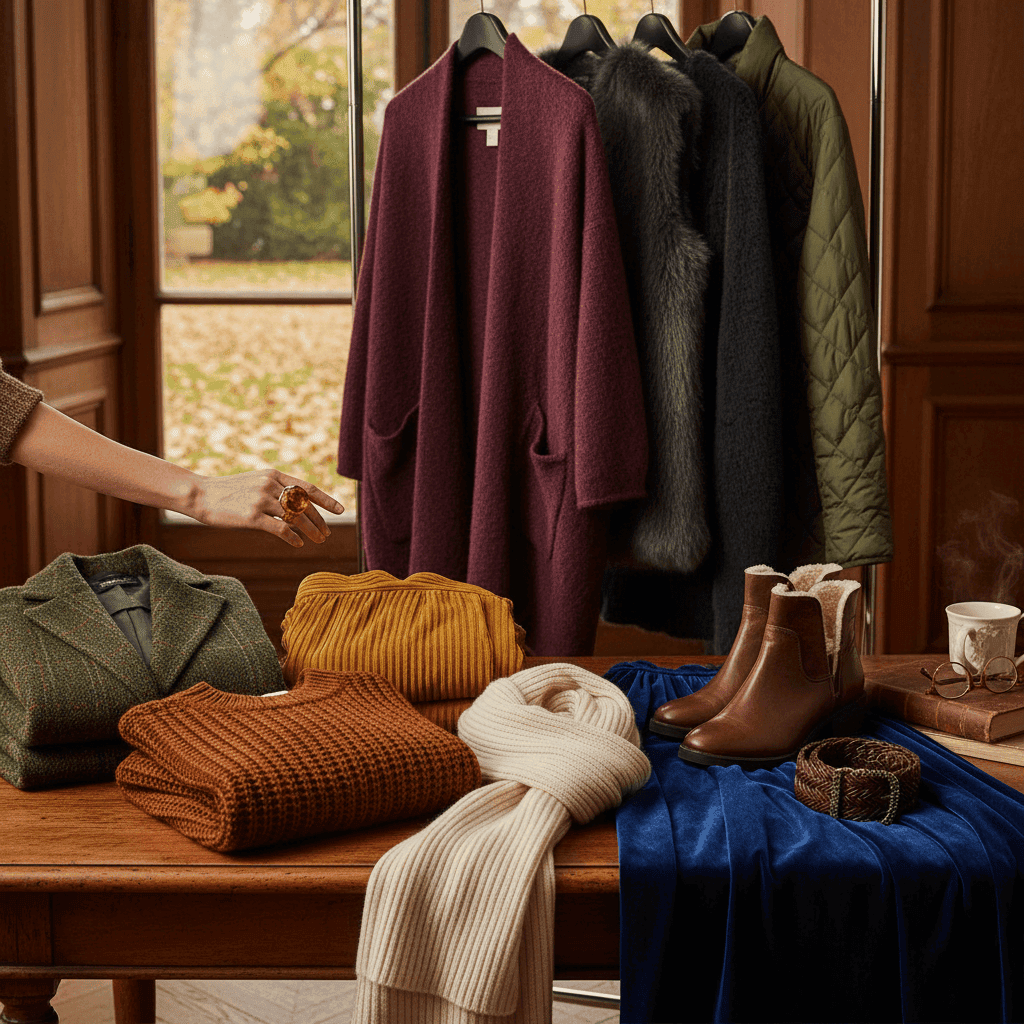
Fall brings not just cooler weather but a chance to mix up textures that give outfits fresh depth and feel. Layering different fabrics does more than add color or shape—it creates cool contrasts that catch the eye from far away and invite a closer look. People who want to switch up their wardrobe for fall, whether with small tweaks or bold styles, will find smart, easy ways to wear texture every day. Imagine wearing what looks plain at first but surprises you with its cozy, rich layers—like a secret only your clothes know. Keep reading to discover how simple texture changes can turn heads and boost confidence all season long.
We will cover specific textures that work well in cooler months how to pair them with colors and patterns and sensible shopping and care tips that extend the life of those pieces. Expect concrete examples outfit ideas and tips that you can try the next time you open your closet or shop for seasonal updates.
Why textured pieces matter in fall wardrobes
Texture adds visual weight and perceived warmth which makes a simple outfit look complete. A plain knit sweater gains presence when paired with a corduroy skirt or suede boots. That perceived richness is useful for working within a small wardrobe or building capsule outfits that read polished without extra effort.
Beyond looks texture affects comfort. Natural wool knits trap air and feel cozy while brushed cottons settle softly against skin. Choosing fabrics with different hand and drape gives you more control over how clothes hang and how they move with your body. For example a structured tweed blazer will hold its shape over a lightweight silk blouse creating contrast that feels intentional.
Key textures to embrace this season
Not every texture works for every person or every occasion. Below are dependable options with quick notes on pairing and maintenance so you can select pieces that match your lifestyle.
- Knit good for layers and comfortable silhouettes. Chunky knits pair well with slim bottoms while fine gauge knits layer easily under jackets.
- Corduroy adds soft linear interest and wears in rather than out. Choose wider wales for casual looks and narrow wales for refined pieces.
- Tweed and wool blends offer structure and thermal value. They are reliable choices for outerwear and tailored trousers.
- Suede and brushed leather provide a matte tactile finish that complements smoother fabrics like silk or polished cotton.
- Bouclé and textured weaves create surface interest that reads high-end with simple shapes such as a straight skirt or boxy jacket.
How to mix textures with patterns and color
Mixing textures successfully hinges on balance and contrast. Start by choosing one dominant texture then add one or two supporting textures that differ in scale or shine. For example pair a matte wool coat with a glossy leather boot and a finely knit scarf. The contrast keeps the ensemble engaging without competing pieces.
Tip on scale and shine
When mixing think about scale and reflective quality. Small scale textures such as micro-checks or fine ribbing work well with larger scale textures like chunky knits or wide wale corduroy. Similarly combine matte fabrics with subtle sheen to catch light in flattering ways. A satin blouse under a matte blazer is a simple technique that raises visual interest.
Pattern mixing basics
Textures make pattern mixing less fussy. A striped tee under a boucle jacket reads fresh because the surface texture softens the crispness of the stripe. Keep a unifying color or neutral base to prevent a look from feeling scattered. If you wear a patterned scarf let the rest of the outfit include textured solids to anchor the eye.
Layering strategies for warmth and style
Layering is a chance to use texture strategically rather than just piling on pieces. Use textures to define layers so each one plays a role in shape and warmth. A common and effective approach is to pair a thin base layer a midweight textured sweater and a structured outer layer.
Practical thermal layering
Select base layers that wick moisture if you expect temperature swings. Lightweight merino or modal blends provide warmth without bulk. Add a mid-layer with loft such as a knit or fleece and finish with a wind resistant outer layer textured or smooth depending on desired look.
Styling for proportion
Pay attention to proportion when layering textured garments. If a top layer is voluminous choose sleeker bottoms to balance the silhouette. Conversely a fitted jacket works with a fuller skirt in corduroy or tweed. Small adjustments like tucking a sweater or adding a belt help maintain clean lines and show off the interplay of textures.
Footwear and accessory pairings to complete looks
Accessories and shoes are where texture decisions can make or break fall outfits. They are cost effective places to experiment before committing to larger investments in outerwear or tailored pieces.
- Boots suede mid-calf boots add softness while polished leather chelsea boots read modern. Choose a boot texture that complements the primary fabric of your outfit rather than matching it exactly.
- Bags woven leather or napped suede bring surface richness that anchors a look. Structured bags in smooth leather provide contrast when outfits rely heavily on soft textures.
- Scarves and hats are low risk high reward items. A wool or alpaca scarf provides warmth and instant textural layering. Try an oversized knit scarf draped over a slim coat for a relaxed refined approach.
Outfit examples for different daily needs
Here are ready to use outfit formulas that show how to combine textures for work errands and casual evenings out.
- Work friendly tailored wool trousers knit shell and boucle jacket. Add leather loafers and a minimal structured bag. The mix reads professional while keeping tactile interest.
- Weekend errands denim, chunky knit cardigan and suede ankle boots. A canvas tote and cozy scarf finish the look. This mix keeps movement easy while showing layered surfaces.
- Evening out satin slip dress under a textured wool coat with suede heels. Add delicate jewelry and a clutch in a contrasting texture to keep the outfit from feeling heavy.
Shopping advice and care for textured fabrics
Investing in textured items pays off when you maintain them correctly. Read labels because some textured constructions need specific care methods. Hand wash or dry clean only tags are common for delicate weaves and suede which benefit from professional cleaning to preserve nap and structure.
When sourcing pieces try them on with the layers you expect to wear. This reveals how they interact with other textures and whether the proportions work. If you are unsure where to start reference style resources that focus on seasonal transitions such as retailer guides and editorial wardrobes. For a closer look at textured fall fashion guidance and curated seasonal suggestions consider checking resources from Impact Wealth for inspiration and shopping suggestions that align with these principles.
Storage matters. Fold heavy knits to avoid stretching hanger lines and use breathable garment bags for wool coats to prevent moth damage. A suede brush keeps nap looking fresh and a periodic professional cleaning for suede or specialized weaves will extend their wearable life.
Budget friendly ways to add texture
You do not need a large budget to make texture work in your wardrobe. Look for secondhand sources where high quality textured pieces like wool coats or suede boots are often available at a discount. Thrift stores and online resale platforms are good places to find durable textured items that have been well cared for.
Accessories are another low cost route. Scarves hats and belts with texture change how existing garments look without large purchases. When shopping low cost items focus on color and feel that complement your core wardrobe so new pieces integrate seamlessly.
Common mistakes to avoid with textured outfits
There are simple missteps to watch for when working with different surfaces. Here are the most frequent errors and how to sidestep them.
- Overcrowding the palette. Too many patterns plus multiple textures can feel noisy. Keep one or two focal textures and simplify colors if needed.
- Mismatch of formality. Pairing very casual textures such as distressed denim with highly formal textured pieces like a formal tweed blazer can create a mismatched impression. Aim for similar levels of polish.
- Neglecting care. Textured items show wear if not maintained. A pilling sweater or scuffed suede shoe undermines an outfit regardless of the initial styling.
Small styling tweaks such as cuffing sleeves or adding a belt can resolve balance issues immediately and are easy to test at home before leaving the house.
Conclusion
Textured fall fashion offers a practical and stylish way to refresh your wardrobe for cooler weather. By focusing on complementary textures selecting pieces with clear care instructions and paying attention to proportion and contrast you can create looks that feel intentional and comfortable. Start with a few reliable textures like knits corduroy and suede then expand into tweed or boucle as you identify which surfaces suit your routine. Try the outfit formulas provided adapt them to your color palette and use accessories to experiment without large expense. If you want additional styling examples or a seasonal checklist make a plan to sort your closet and note which textured pieces need repair or cleaning so they are ready for wear. Take action now: pick one texture you do not usually wear and build a complete outfit around it this week. That small step is an efficient way to widen your options and enjoy a more tactile fall wardrobe.